A kitchen island puts space in order, defines the interior style and becomes the focal point of home life. The key to designing a functional island that blends seamlessly with the interior is finishing it with carefully selected panels and fronts. These elements determine the final character – whether the island is austere and minimalist or soft and inviting.
The kitchen island can be arranged in several ways, adapting its function to the needs of the household and the layout of the apartment. Below are three of the most popular scenarios.
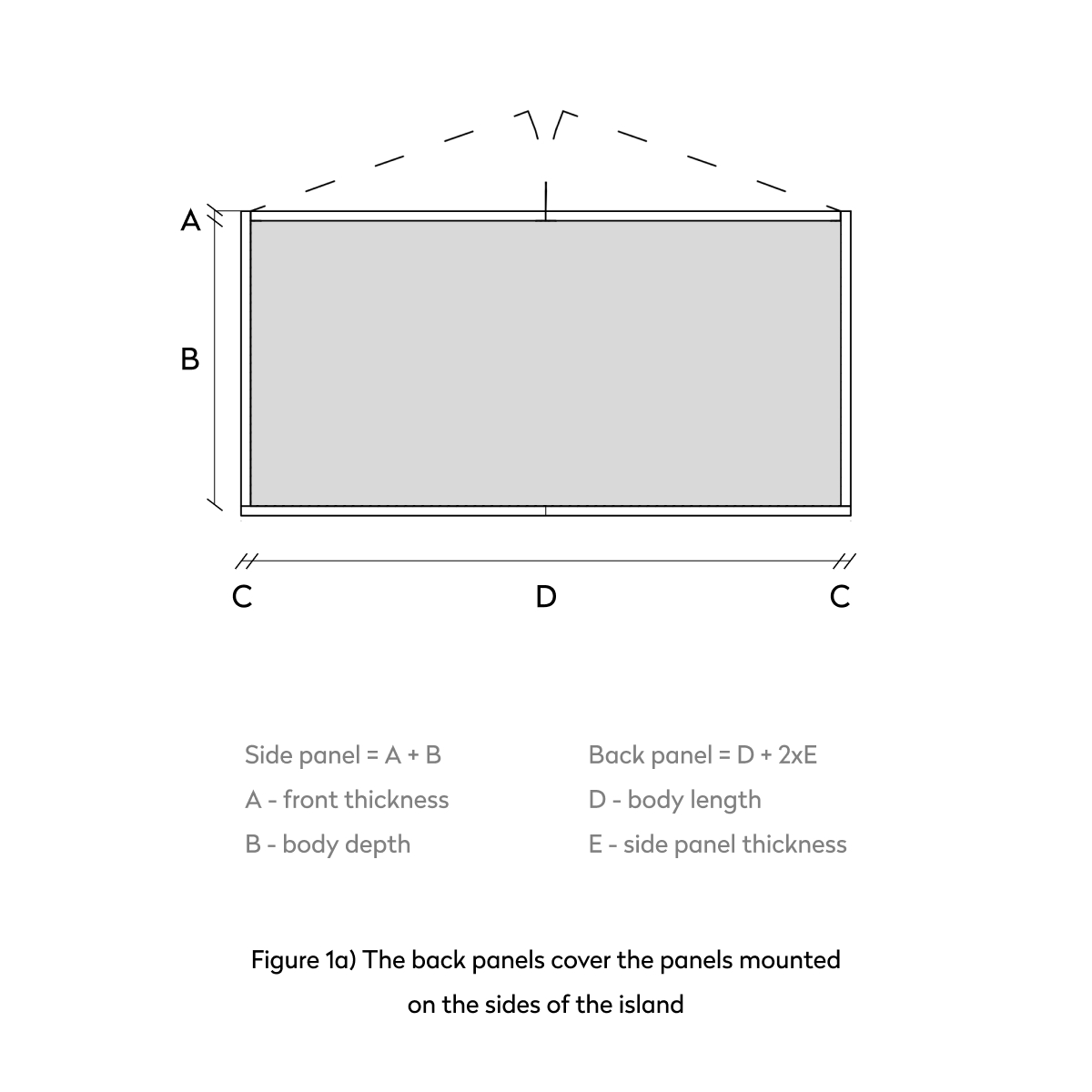
This is the simplest, fully enclosed island, providing maximum cooking and food preparation space, making it ideal for smaller spaces. With this option, the right choice of side panels is crucial, ensuring that the sides and back of the island form an effortless, monolithic element.
Veneered fronts and panels, Pure model, American Walnut, Norwegian Wood Collection
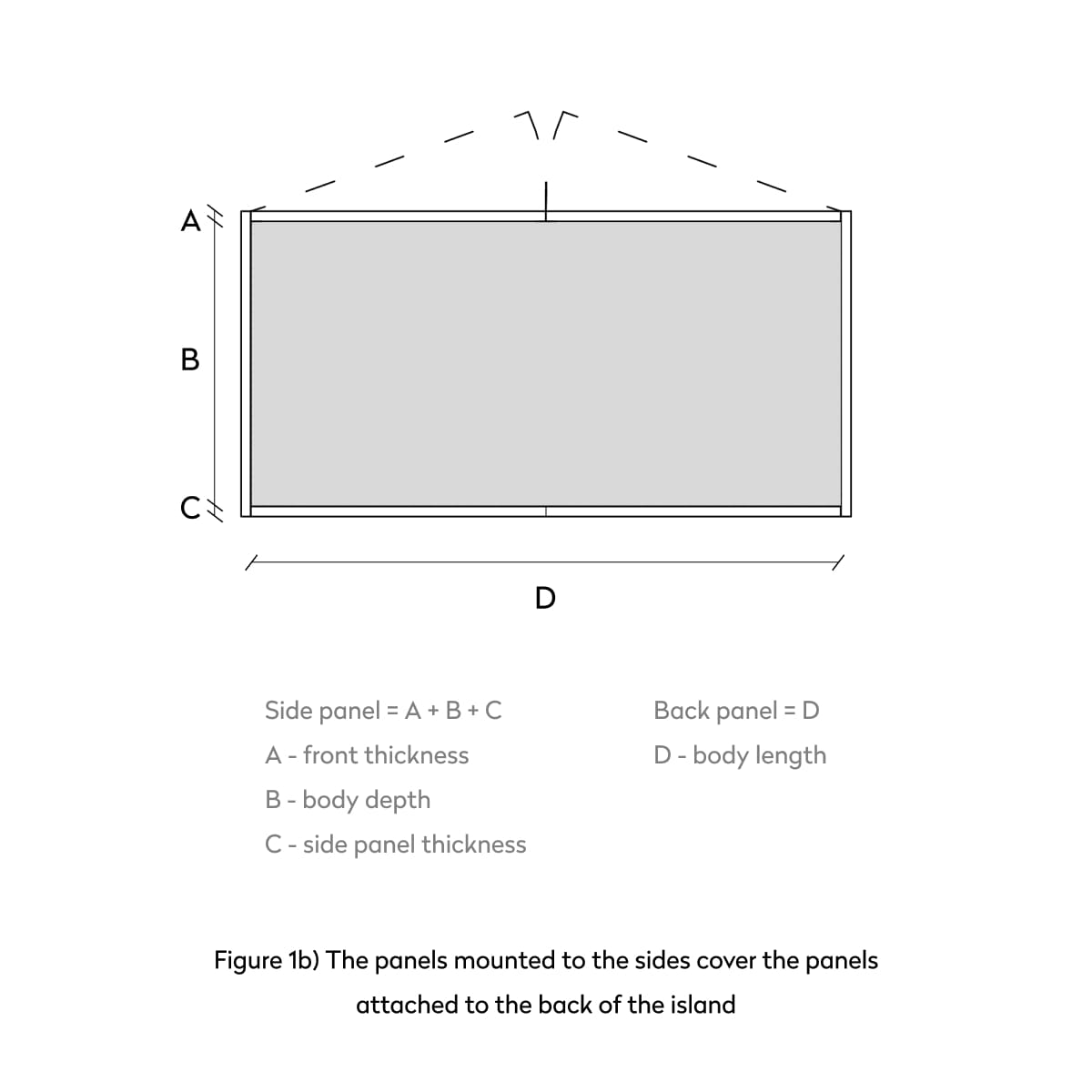
How to choose the proper panel dimensions?
Add the thickness of the panels attached to the sides of the cabinets to the length of the cabinets.
In this case, the depth of the side panels must be added to the thickness of the back panels and the thickness of the fronts.
Island with extra storage space
Your island can also serve as additional storage space. Instead of a panel at the back of the island, install cabinets that open from the living room or dining room side. This is a great way to hide less frequently used items or even create an additional bookcase.
Veneered fronts and panels, Pure model, American Walnut, Norwegian Wood Collection
Island with central gathering point
If you dream of an island that becomes the center of your home life, you can design it with a built-in seating area. This arrangement changes the dynamic of the interior and becomes your meeting place of choice. Its design requires careful consideration, as its function and form can vary depending on your needs.
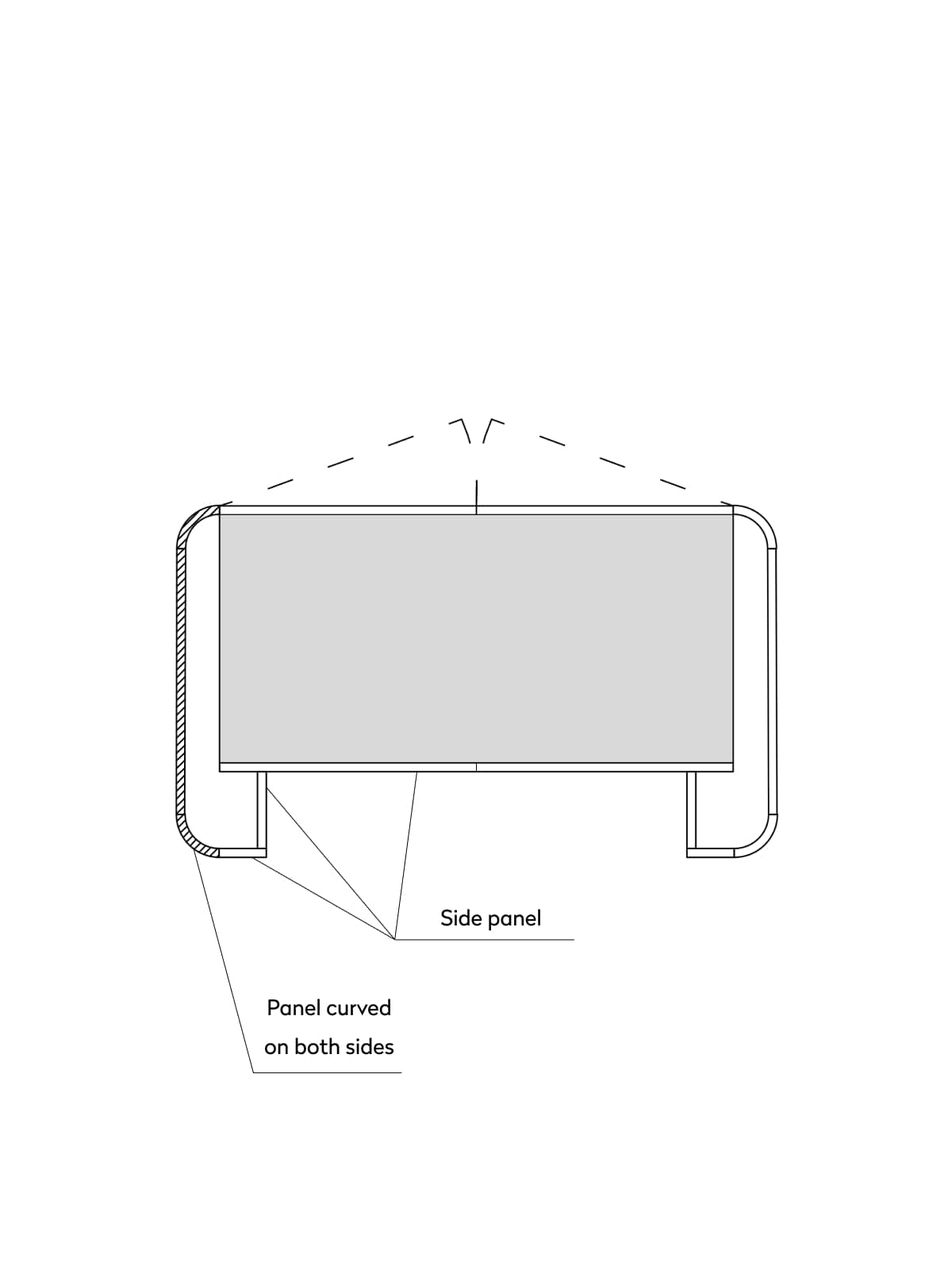
An island with extended side panels creates maximum space for chairs. Remember to ensure consistent paneling on the inside back of the island, which is crucial to the overall aesthetic. You can cut these panels without worrying about their visible edges, so this is the best way to avoid measurement errors.
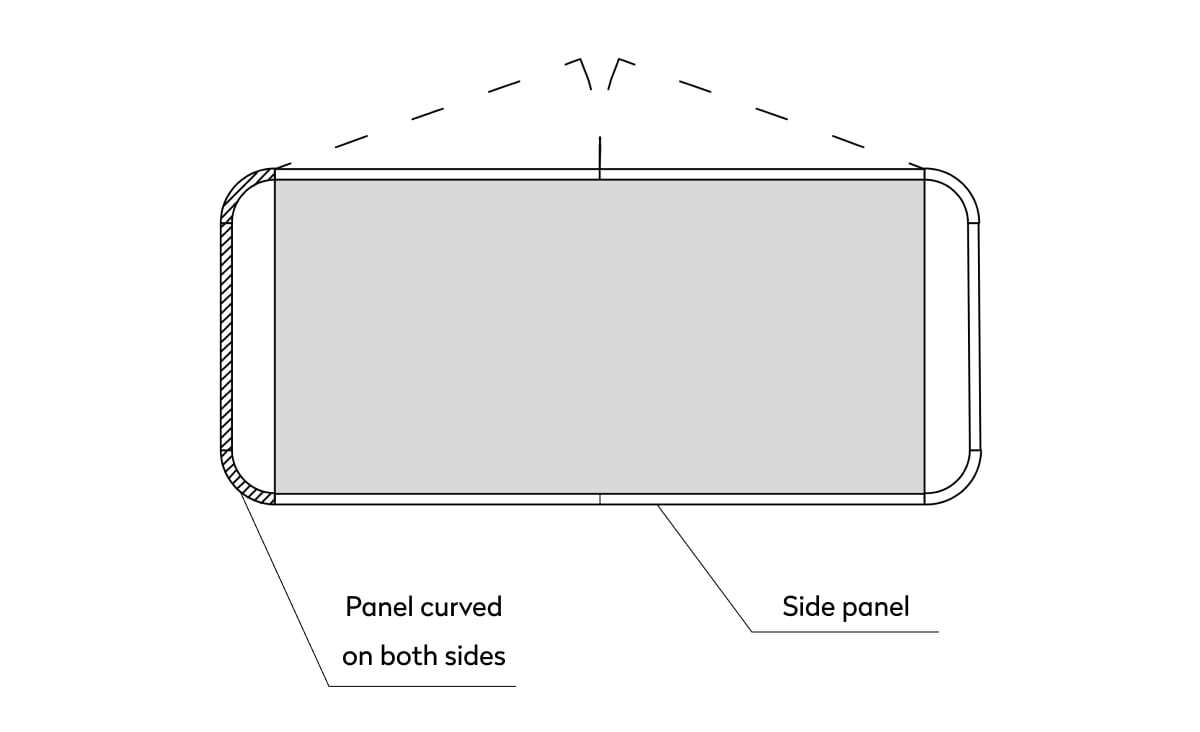
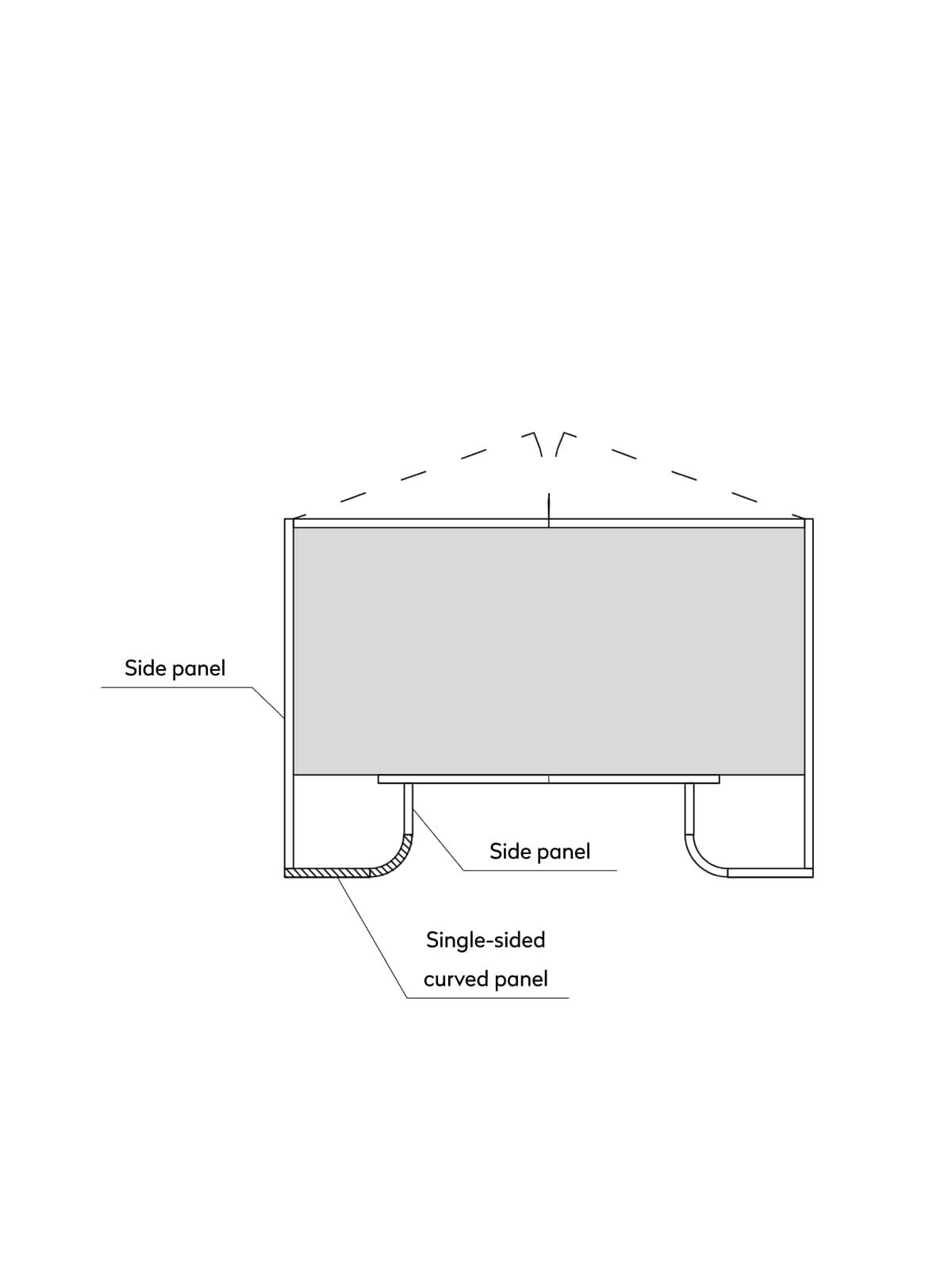
If you like to play with form, you can create a more sophisticated shape owing to curved panels.
How to build an interesting island alcove?
You can softly surround the island's shape with curved panels.
You can also use straight panels on the sides of the island, softly rounded into the interior using curved panels, creating an intimate nook for chairs.
You can see now how panels will transform your kitchen. Go to the product configurator, where you can step by step select the perfect panels for your project.
We use cookies to personalise content and ads, to provide social media features and to analyse our traffic. You consent to our cookies if you continue to use our website.